

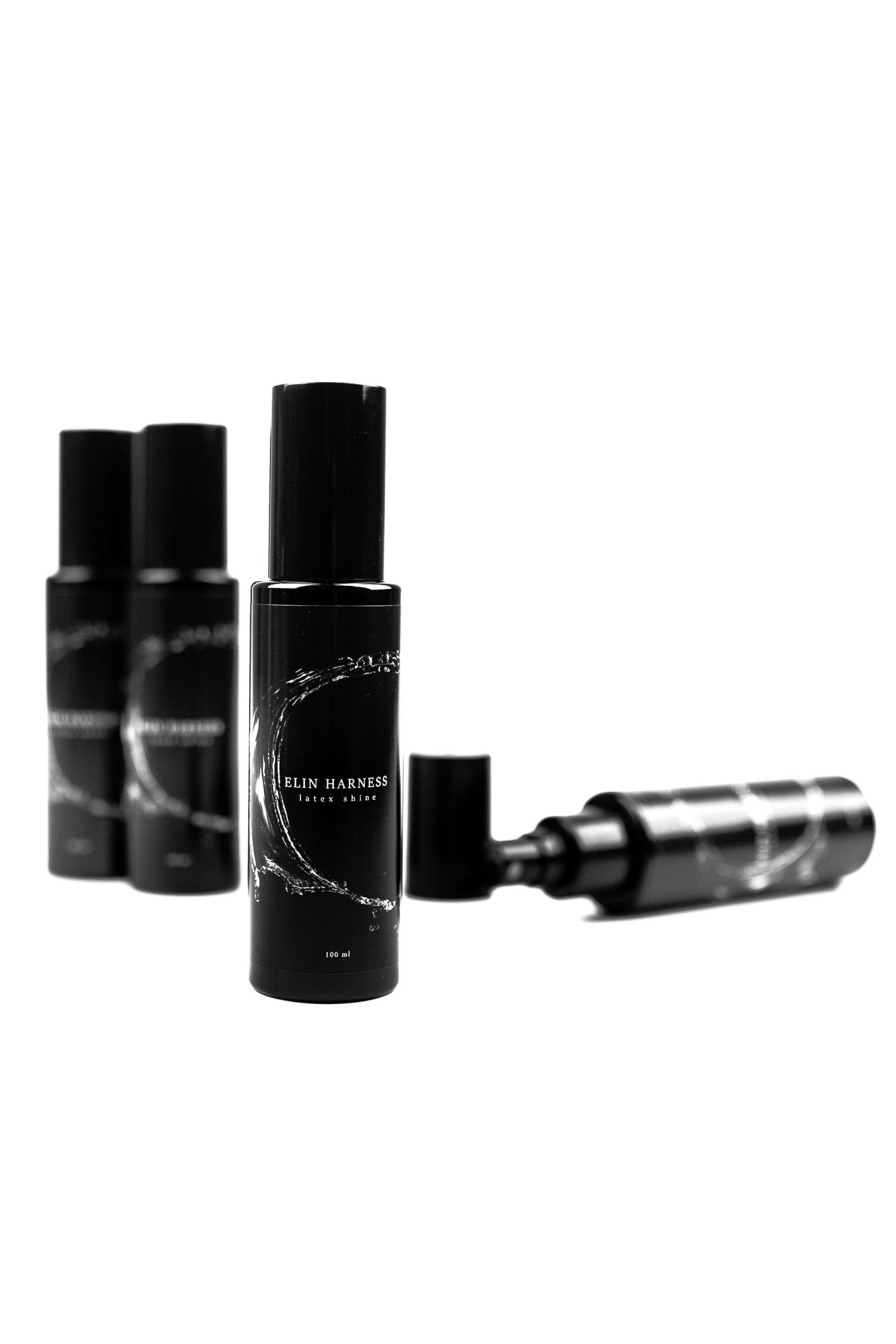
Latex is made to turn heads—high-gloss, sculpted, and unmistakably bold. But to keep latex glossy and truly long-lasting, it needs the right routine. In this latex care guide, we explain how to clean latex clothing, how to shine latex, and how to store latex properly so your pieces stay smooth, bright, and wearable for years.
Whether you’re styling latex lingerie sets, a statement latex dress, or men’s latex clothing, the care principles are the same: gentle cleaning, careful drying, controlled shine, and smart storage.
Why Latex Care Matters
Latex is a natural rubber material. It’s durable when treated correctly, but it’s sensitive to a few common “everyday” hazards:
Oils and skincare products (lotions, perfumes, body oils) that can stain or weaken latex
Heat and UV light that accelerate aging and fading
Friction that creates dull patches and micro-scuffs
Harsh cleaners that strip the finish and reduce elasticity
Metal contact that may leave marks or discoloration over time
Good latex clothing care is not complicated. The best results come from consistent, simple latex maintenance after each wear.
How We Recommend Cleaning Latex Clothing
If you’re looking for latex cleaning tips that are safe and repeatable, follow this method. It is suitable for everyday wear pieces and more delicate designs.
Step-by-step: how to clean latex clothing
-
Rinse first (lukewarm water). Rinse inside and out to remove sweat and surface residue. Avoid hot water.
-
Hand-wash gently with mild soap. Use a small amount of fragrance-free, gentle soap. Move the garment through the water—no scrubbing.
-
Focus on high-contact zones. Underarms, waistbands, cuffs, and necklines typically need extra attention—still gently.
-
Rinse thoroughly. Soap residue causes haze, tackiness, and uneven shine later.
-
Repeat if needed. If the wash water turns cloudy quickly, do a second quick wash and rinse again.
Latex clothing care note: Avoid household cleaners, bleach, alcohol-based products, and abrasive sponges. These are common causes of dullness and premature wear.
If you’re building outfits, it helps to care for items consistently across categories—especially when mixing accessories like latex hats: https://elinharness.com/collections/latex-hats
Drying Latex Without Damage
Drying is where latex most often gets damaged—usually due to heat, sunlight, or friction. The safest method is slow and gentle.
Best practice drying routine
Pat dry with a soft towel (do not rub).
Air-dry in shade in a cool, ventilated room.
Turn or reposition the garment once or twice so folds don’t trap moisture.
Keep away from direct sun, heaters, radiators, and hot bathrooms.
Latex must be completely dry before shining or storing. Any trapped moisture increases the risk of haze, stickiness, and odor.
How to Shine Latex
Shine is the signature look—but it should be applied correctly to avoid streaks, dust buildup, and uneven gloss.
Latex shine guide: keep latex glossy the right way
-
Confirm the latex is fully dry.
-
Apply a latex-safe shine product in small amounts.
-
Spread evenly with a soft, lint-free cloth using light pressure.
-
Work in sections (panel-by-panel) to keep coverage uniform.
-
Buff gently until the shine looks consistent and glassy.
Common shine problems (and quick fixes)
Streaks: Too much product in one area. Buff longer with a clean section of cloth.
Dust sticking: Over-application. Use less product and keep items covered until you’re ready to wear.
Dull spots: Usually friction or soap residue. Re-rinse if needed, fully dry, then re-apply shine evenly.
For a coordinated glossy look, we recommend shining complete outfits together—especially latex lingerie sets: https://elinharness.com/collections/latex-lingerie-sets
Latex Storage
Latex storage matters as much as cleaning—because heat, light, and compression can age latex even when it’s not being worn.
How to store latex properly (best practices)
Store in a cool, dark place. UV and heat are the fastest ways to degrade latex.
Avoid tight folds and heavy pressure. Creases can set and create permanent dull lines.
Separate items. Latex can stick to latex. Dark colors may also transfer to light colors in long contact.
Avoid long metal contact. Hardware can mark latex over time.
Use a breathable garment bag when possible. Avoid sealing latex in airtight plastic for long periods.
If you’re storing multiple statement pieces (for example, latex dresses) keep them separated and protected from friction: https://elinharness.com/collections/dresses
For daily-wear wardrobes, a dedicated section for men’s latex clothing makes maintenance easier and reduces accidental rubbing: https://elinharness.com/collections/all-latex-for-men
Quick Do/Don’t Checklist
| Do | Don’t |
|---|---|
| Hand wash with lukewarm water and mild soap | Use hot water, bleach, alcohol, or harsh detergents |
| Rinse until water runs completely clear | Leave soap residue on latex |
| Pat dry and air-dry in shade | Dry in direct sunlight or near heat |
| Shine only on fully dry latex | Apply shine on damp latex |
| Work in sections for even gloss | Over-apply shine (dust + streaks) |
| Store cool, dark, and separated | Store tightly folded or compressed |
| Keep latex away from oils/perfume | Let skincare products sit on latex |
FAQ
How often should we clean latex clothing?
We recommend cleaning after every wear. Even short wear sessions leave sweat and residue that can affect shine and longevity.
What is the safest method for how to clean latex clothing?
A gentle hand wash in lukewarm water with mild soap, followed by a thorough rinse, is the most reliable and safest approach for latex clothing care.
Why does latex look cloudy after washing?
Cloudiness is typically caused by leftover soap residue, minerals in water, or friction during drying. Rinse again, dry fully, and then follow a controlled latex shine guide to restore clarity.
How do we keep latex glossy for longer?
To keep latex glossy, reduce friction, avoid oils and perfumes, dry away from heat and sunlight, and apply shine evenly only when latex is completely dry.
Can we store latex while it’s shiny?
For long-term latex storage, it’s better to store latex clean and dry rather than heavily coated. Excess shine product attracts dust and can create uneven areas during storage.
How do we store latex properly to avoid sticking?
Store items separated (especially color-separated), avoid tight folds, keep them in a cool/dark place, and minimize contact pressure. This reduces sticking and preserves a smooth finish.



Leave a comment
All comments are moderated before being published.
This site is protected by hCaptcha and the hCaptcha Privacy Policy and Terms of Service apply.