

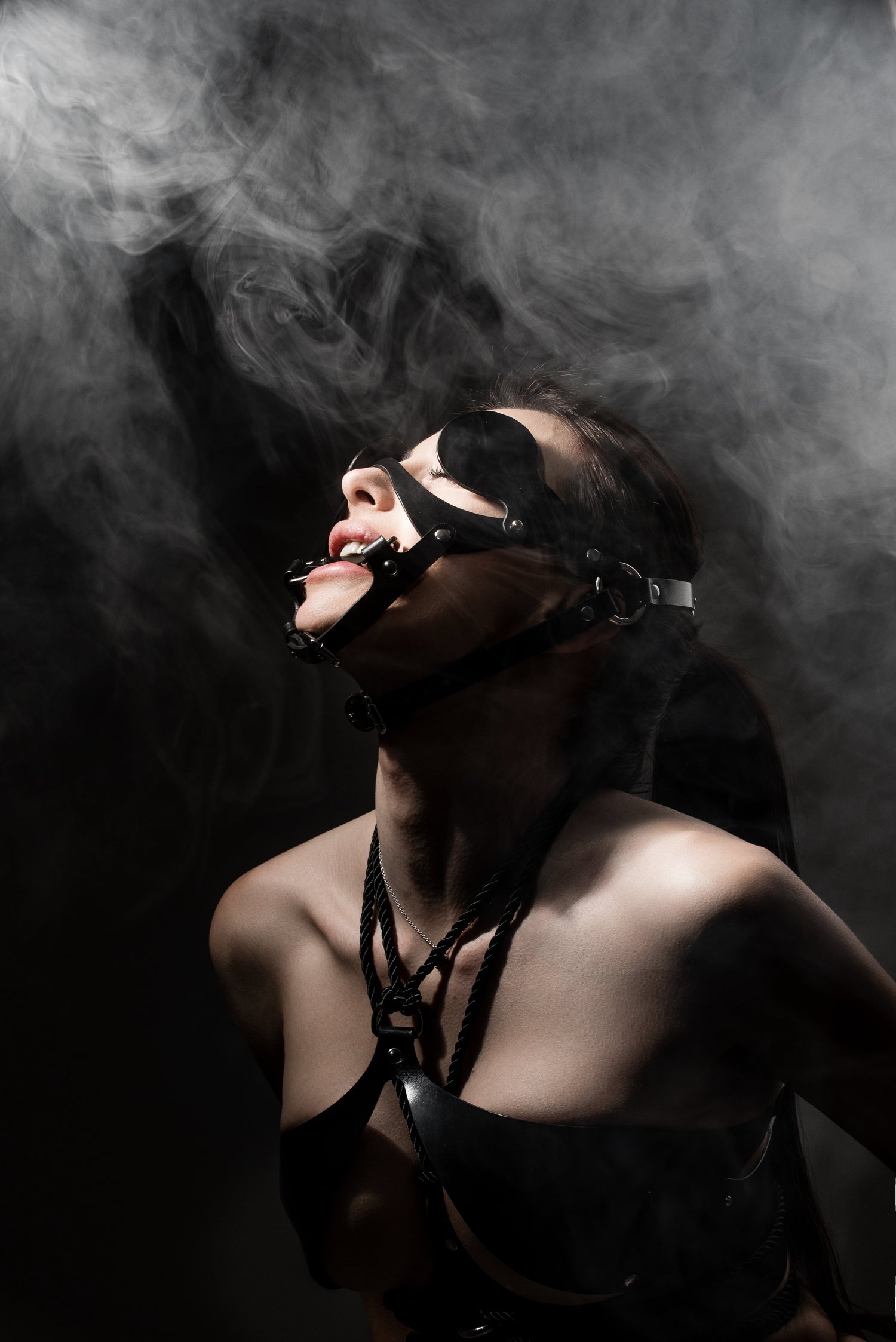
A collar can be a clean styling anchor, a bold statement piece, or the finishing detail that ties an entire look together. In this guide, we explain how we recommend choosing restraint collars and collars and leashes with confidence—focusing on fit, comfort, materials, hardware, and easy pairing ideas.
Shop featured categories:
-
Restraint collars: https://elinharness.com/collections/restraint-collars
-
Vegan collars & leashes: https://elinharness.com/collections/vegan-collars-leashes
-
Vegan accessories: https://elinharness.com/collections/vegan-accessories
-
Clinic style masks: https://elinharness.com/collections/clinic-style-masks
Collar Types
Different collar designs create different silhouettes and levels of structure. When you choose a type, start with where you want the visual focus: neckline, jawline, or collarbone.
Common collar styles (and what they’re best for)
-
Minimal band collars: clean, understated, easy for everyday styling.
-
Wide collars: strong statement, more “editorial,” visually frames the neck.
-
Hardware-forward collars (rings/buckles): adds edge and a focal point for layering.
-
Set-style collars (paired with leash/accessories): cohesive look for photoshoots and themed outfits.
If you’re starting your collection, a minimal collar is the most versatile foundation—then add statement styles as your wardrobe grows. Browse restraint collars here:
https://elinharness.com/collections/restraint-collars
Fit & Comfort Basics
A good collar should look deliberate and feel comfortable. Fit issues show quickly at the neckline—so prioritizing adjustability is key.
How a collar should fit
-
Snug, not tight: it should sit securely without digging in.
-
Stable position: it shouldn’t rotate constantly or ride up.
-
Even pressure: no sharp points from hardware against the skin.
-
Comfort-first wearability: you should be able to turn your head normally and wear it for the intended time without irritation.
What to check before choosing
-
Adjustable collar range: more holes/adjusters = easier to dial in fit.
-
Edge finishing: smoother edges reduce rubbing, especially for longer wear.
-
Hardware placement: ensure metal elements sit flat and don’t press into the throat or collarbone.
For an easy starting point with versatile options, explore vegan collars & leashes:
https://elinharness.com/collections/vegan-collars-leashes
Materials: Vegan vs Leather
Materials change the feel, weight, and how a collar behaves over time. Both can look premium—your choice should reflect comfort preferences, styling, and care.
Vegan (leather-free) materials
Pros
-
Often lighter and flexible for layering
-
Typically easy wipe-down care
-
Great for leather-free wardrobes
Considerations
-
Depending on finish, may show creasing if stored incorrectly
-
Hardware quality matters for long-term stability
Shop vegan collars & leashes:
https://elinharness.com/collections/vegan-collars-leashes
Leather (when applicable)
Pros
-
Classic structure and a “broken-in” feel over time
-
Often holds shape strongly
Considerations
-
Requires more consistent care
-
More sensitive to moisture and storage conditions
If you want leather-free styling across your kit, build around vegan accessories:
https://elinharness.com/collections/vegan-accessories
Pairing Ideas
A collar looks best when it’s part of a clear outfit “formula.” Pairing is about balance: if the collar is statement-heavy, keep the rest cleaner; if the outfit is minimal, the collar can carry the look.
Quick pairing formulas
-
Minimal collar + harness layering: adds structure without visual overload.
-
Wide collar + simple base outfit: let the collar be the hero.
-
Collar + matching accessory hardware: keep metal tones consistent for a polished finish.
-
Collar + mask for editorial styling: strong photoshoot-ready direction.
Explore clinic style masks for bold styling:
https://elinharness.com/collections/clinic-style-masks
Complete your kit with supportive add-ons:
https://elinharness.com/collections/vegan-accessories
Responsible Use
These accessories are designed for styling, role-based looks, and personal expression. If you plan to use any “restraint” features beyond fashion, prioritize safety and common sense.
General best practices:
-
Comfort first: if something causes pain, numbness, dizziness, or breathing discomfort, it’s not an appropriate fit or use.
-
Avoid pressure-sensitive areas: collars should never be used in ways that restrict breathing or circulation.
-
Choose the right context: wear for the intended purpose and time; avoid scenarios where accessories can snag or catch.
-
Check hardware security: ensure buckles/clasps are fully closed and stable before wear.
If your goal is purely style and layering, select adjustable pieces that sit flat and feel wearable for your planned setting.
FAQ
What’s the best first collar to buy?
A minimal, adjustable collar is the most versatile starting point. It pairs easily with different outfits and helps you learn what fit you prefer.
How do we know if a collar fits correctly?
A correct fit sits stable, feels comfortable, and doesn’t dig in. It should be snug enough to stay in place but never tight or restrictive.
Are vegan collars comfortable for longer wear?
They can be, especially when the edges are finished smoothly and the collar is adjusted correctly. For extended wear, prioritize comfort-first fit and stable hardware.
What’s the difference between restraint collars and standard fashion collars?
Restraint collars typically feature stronger hardware and design details intended for pairing with matching accessories. For styling, choose what feels comfortable and aligns with your look.
How do we build a cohesive accessories set?
Start with a collar, then add one complementary piece (leash, mask, or accessory). Keep hardware tone consistent and avoid stacking too many statement items at once.


Leave a comment
All comments are moderated before being published.
This site is protected by hCaptcha and the hCaptcha Privacy Policy and Terms of Service apply.